EL PASO, TEXAS • ACADEMY DEVELOPMENT & PARTNERSHIPS
Explore your CDL journey. Meet your local team in El Paso.
Get free CDL information and guidance. Call our El Paso team to talk about what you want to drive, ask about training options and requirements, and find out what to do next.
Individuals: Contact our office for information regarding current training availability, program requirements, and eligibility. An inquiry does not confirm enrollment or reserve a training date.
CDLTraining information
EmployersWorkforce partnerships
LocalEl Paso support
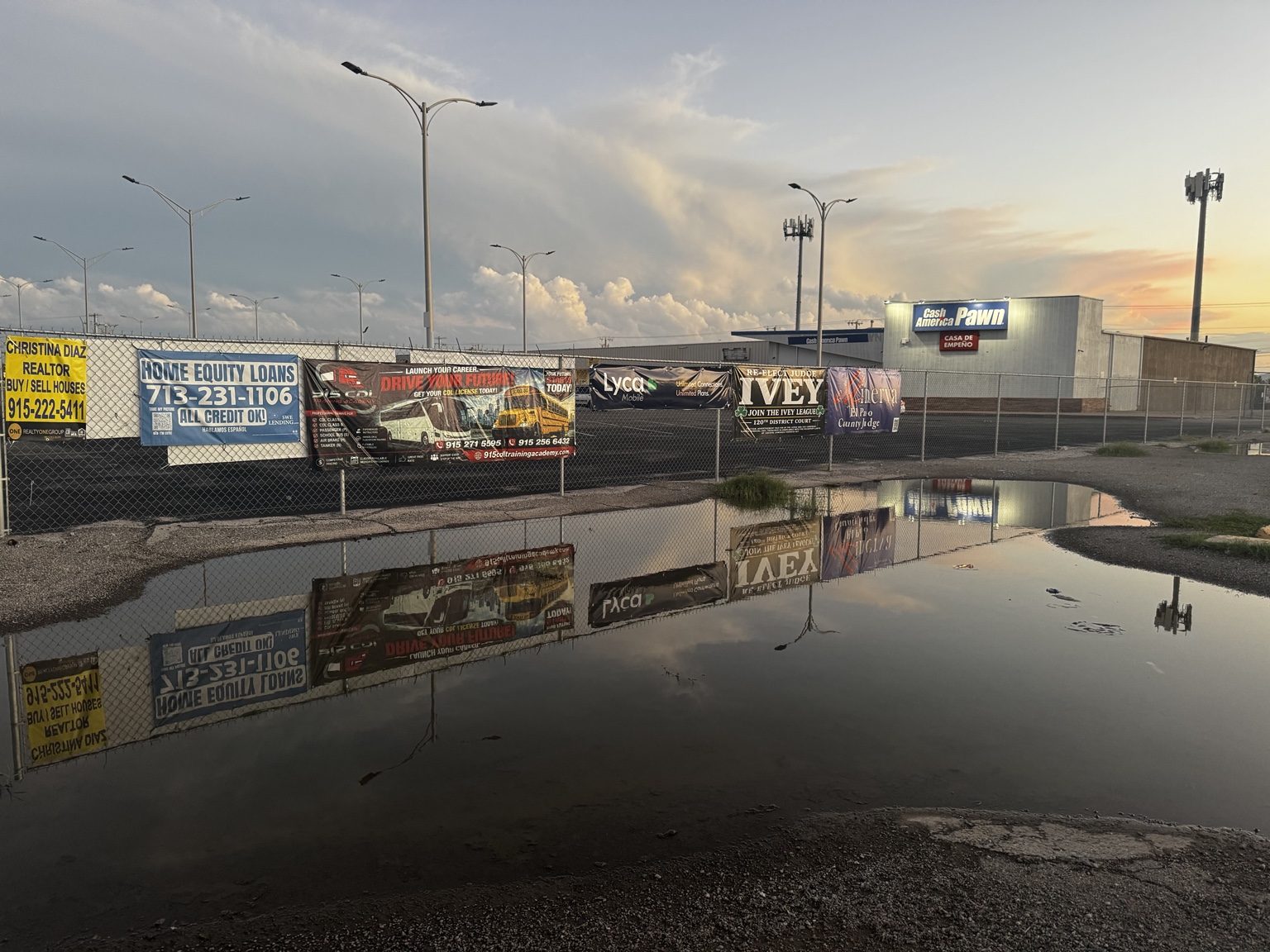
01SPOT OUR BANNER
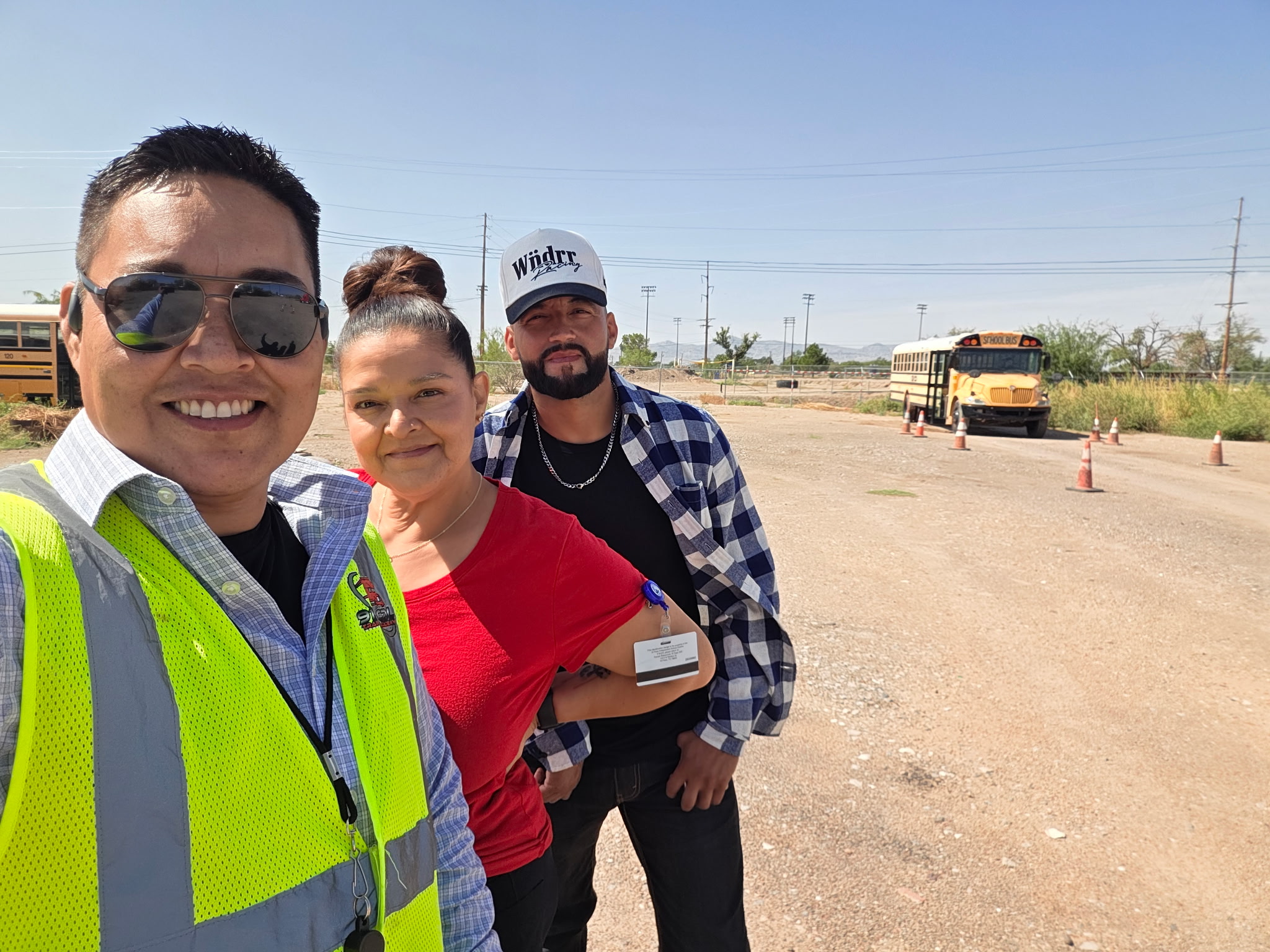
02MEET THE CREW
03TRAIN FOR THE ROAD AHEAD
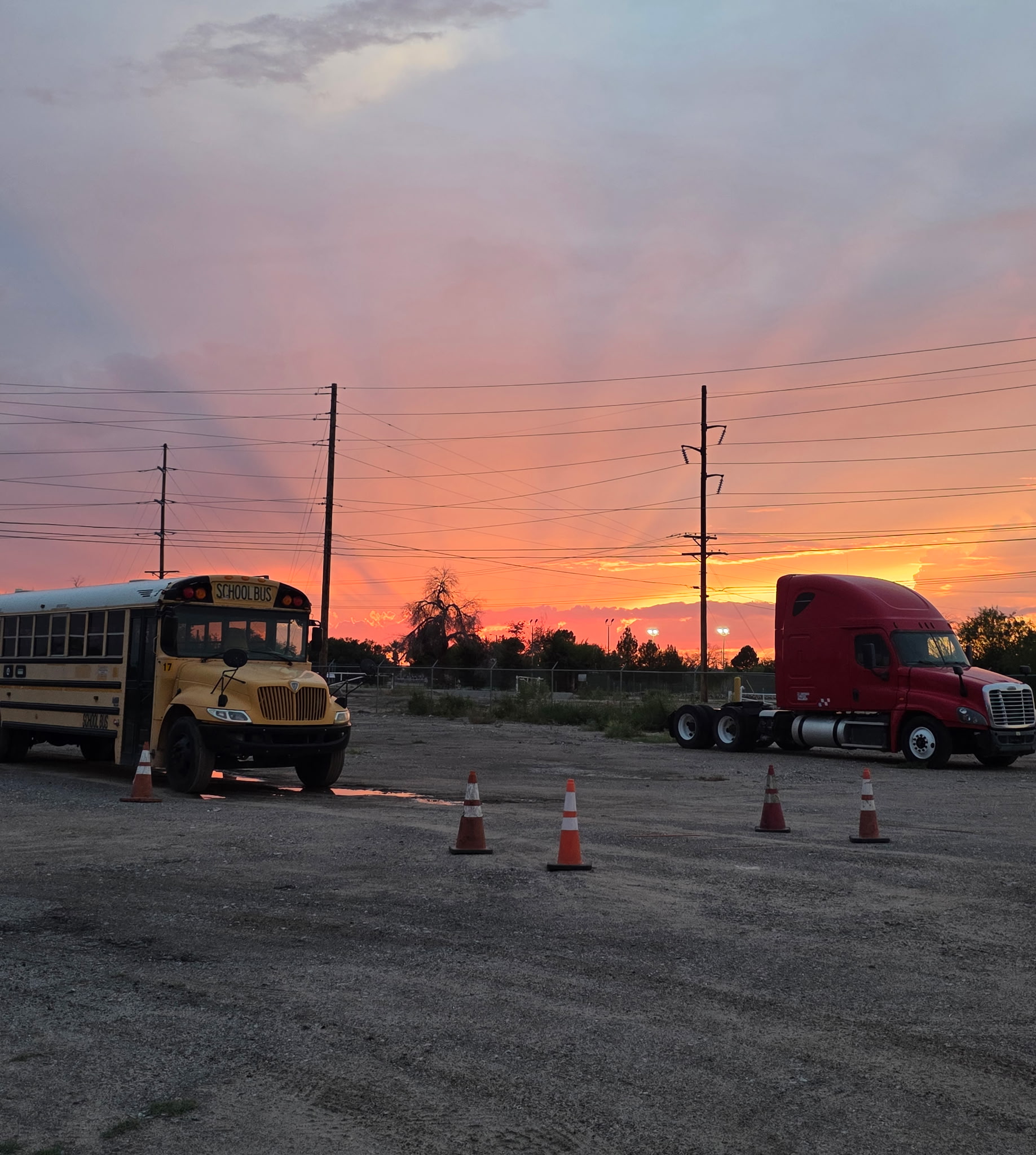
04CLASS B SKILLS IN MOTION
New to CDL? Start here.
A commercial driver’s license, or CDL, is required to drive certain trucks and buses. Start by thinking about what you’d like to drive. We can help you understand which license fits your goal, what steps come next, and where to look for training.
This guide covers the Texas CDL process. Live in Texas or New Mexico? Call our El Paso team to discuss which next steps apply where you live.
Start with the license that fits the work you want to do. These are vehicle examples, not a list of programs currently available.
Endorsements
Endorsements add permissions to a CDL; they are not separate license classes. Requirements and restrictions depend on the vehicle and work. This guide does not mean every endorsement is offered by the academy.
Selecting H and N together gives the combined endorsement code X.
Explore this combination
Highlighted examples match the selected class and endorsement features. Vehicle weight, seating, cargo, testing and license restrictions still apply.
Example · Class B
Delivery truck
Qualifying heavy single vehicle used in commercial delivery. Confirm rated weight and applicable restrictions.
Example for this selection
Example · Class B
Refuse truck
Qualifying heavy single vehicle used in sanitation and public works. Confirm rated weight and applicable restrictions.
Example for this selection
Example · Class B
Concrete mixer
Qualifying heavy single vehicle used in concrete delivery. Confirm rated weight and applicable restrictions.
Example for this selection
Example · Class B
Dump truck
Qualifying heavy single vehicle used in construction and hauling. Confirm rated weight and applicable restrictions.
Example for this selection
Example · Class B + P
City transit bus
Passenger bus example for city transit. Confirm seating, weight and passenger vehicle test restrictions.
Example for this selection
Example · Class B
Heavy straight truck
Heavy single vehicle, such as a box truck or dump truck. Cargo and vehicle restrictions can require additional qualifications.
Example for this selection
Example · Class B + P
Passenger bus
Passenger endorsement applies. The bus capacity and weight determine the required class and applicable restrictions.
Example for this selection
Example · Class B + P + S
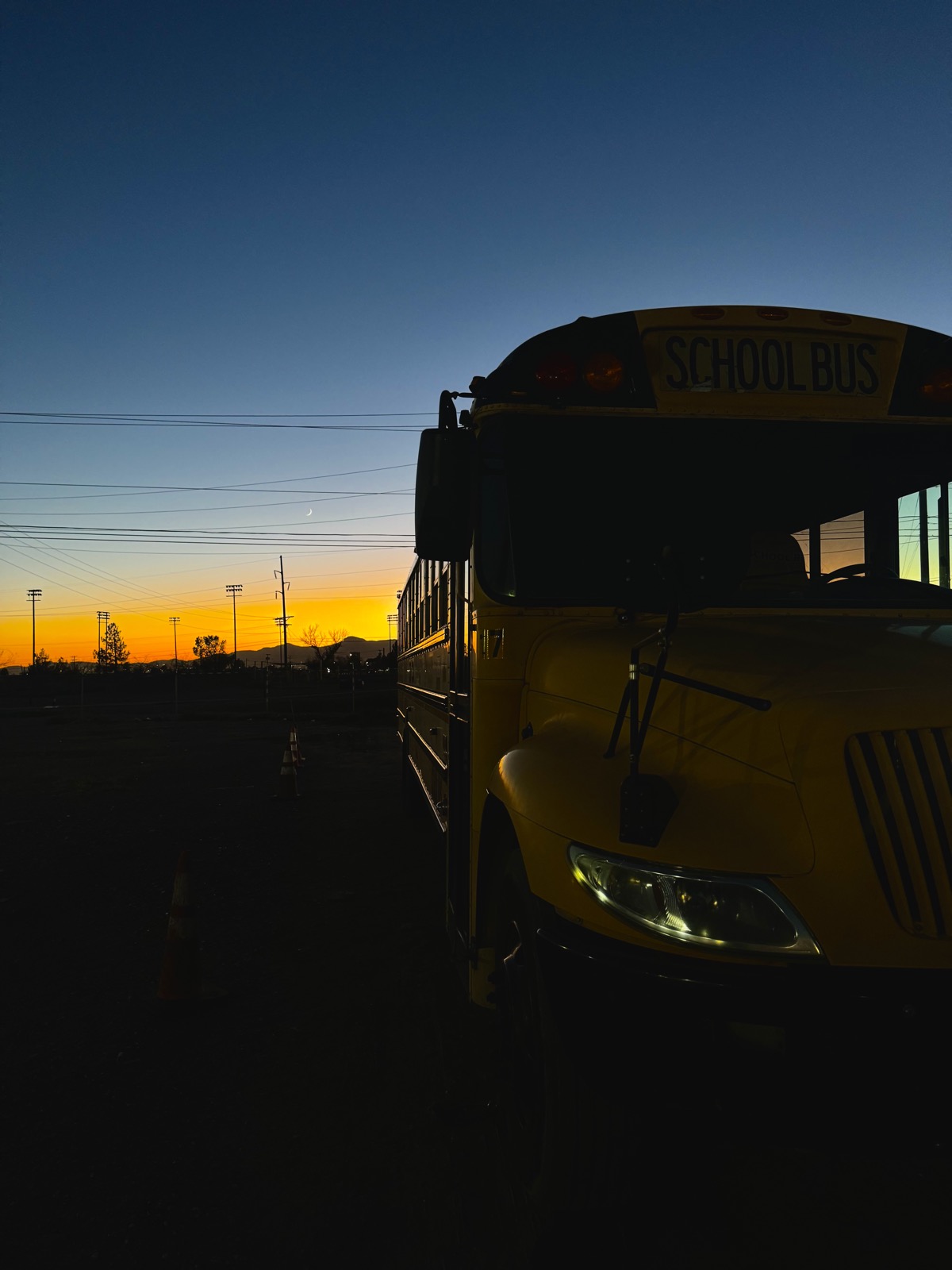
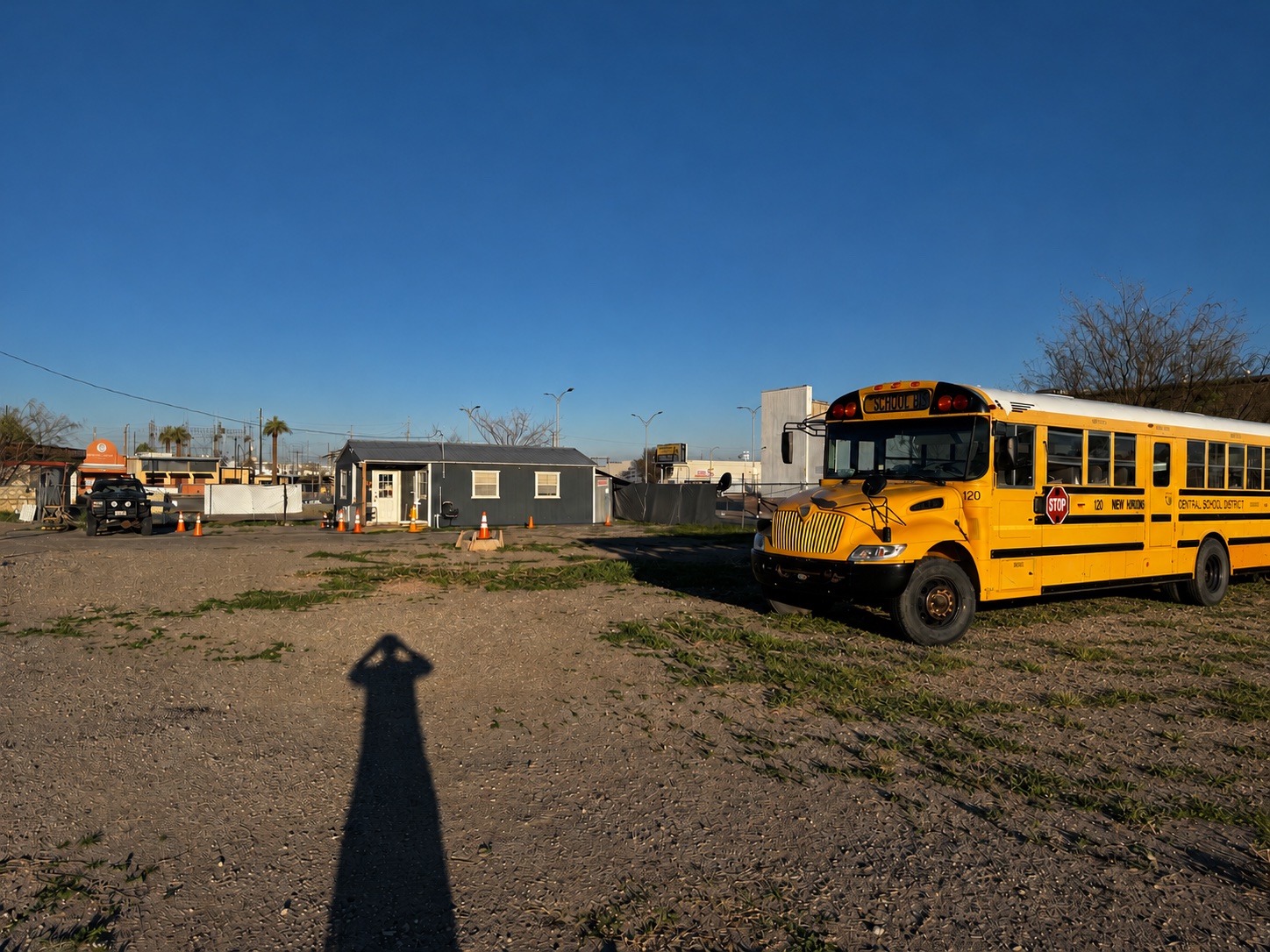
School bus
Passenger (P) and School Bus (S) endorsements apply. The bus size and license restrictions determine the vehicle you can operate.
Example for this selection
Example · Class C + P
Qualifying passenger shuttle
Passenger capacity and vehicle weight determine the class. Passenger endorsement and applicable vehicle testing are required.
Class A covers combinations with a gross combination weight rating (GCWR) of 26,001 lb or more when the towed vehicle rating (GVWR) exceeds 10,000 lb. Class A public enrollment at our academy is currently paused.
Class B
Information only
Heavy single vehicles
Understand this class
Class B covers single vehicles rated 26,001 lb or more, including those towing a vehicle rated no more than 10,000 lb. Texas also includes vehicles designed for 24 or more people, including the driver. Passenger and school bus operation requires the appropriate endorsements.
Class C
Information only
Qualifying smaller vehicles
Understand this class
A Class C CDL applies when the vehicle does not fit Class A or B but is designed for 16–23 people, including the driver, or carries hazardous materials requiring placards. A small vehicle alone does not make a CDL necessary. Class C is shown for general information, not as an available academy program.
The Class A / B licensing path
Choose your goal
Confirm the vehicle class, endorsements, eligibility, and current training availability.
Prepare your documents
Review DPS identity, residency, Social Security, and applicable medical requirements. Bring academy paperwork to the office; do not upload identification documents or numbers here.
Earn your learner permit
Study and pass the applicable DPS knowledge tests to obtain your Commercial Learner Permit (CLP). Texas CDL knowledge and skills tests are in English.
Complete required training
Complete applicable ELDT theory and behind-the-wheel training. Hold the CLP for at least 14 days before taking the skills test; meeting the wait alone does not complete training.
Take the skills test
Pass the vehicle inspection, basic controls, and road test with DPS or an authorized tester. DPS issues the CDL after all requirements are met; academy training completion is separate.
Vehicle ratings, seating, cargo, and license restrictions determine what you may drive. Vehicle images are representative examples. Vehicles pictured may belong to other operators. Training arrangements remain subject to applicable federal and Texas requirements.
The CDL process can feel confusing. Start by learning what each step involves, then call us to talk through the requirements for the vehicle you want to drive.
01
◫
Theory
Learn safety responsibilities, vehicle systems, hours of service, and the knowledge behind professional driving.
STAGE 102
⌕
Inspection
Practice pre-trip, in-cab, and air-brake inspections with a repeatable step-by-step routine.
STAGE 203
↔
Maneuvers
Develop control through backing, offset, parking, and docking exercises with instructor guidance.
STAGE 304
➜
Road Skills
Combine observation, control, turns, lane position, and safe decision-making on the road.
STAGE 4
YOUR FIRST MEETING
Let’s talk about your CDL goals.
Tell us what you want to drive and whether you already hold a permit or CDL. We’ll help you understand the requirements, where to look for training, and what to do next.
✓ For your first conversation, have your questions ready. You can discuss your experience and schedule with our team.
Tell us what vehicle or work interests you, your driving experience, and any permit or CDL you already hold.
02
Understand the requirements
Discuss the applicable license class, endorsements, document requirements, and training availability.
03
Plan your next steps
Review your questions and scheduling needs so you know what to prepare after the meeting.
FREQUENTLY ASKED QUESTIONS
Training and partnership questions.
How long is training?+
Call our office to ask about current training schedules and what to expect based on your goals and experience.
Do I need to provide my own vehicle?+
No for regular training. Ask us about vehicle arrangements for specialized endorsement training.
How can businesses support the academy?+
We are seeking funding and sponsorship or equipment support for academy development. We are also open to future employee-training partnerships. Sponsorship details can be discussed with our team.
Which CDL class do I need?+
That depends on the vehicle and work you plan to do. Tell us your career goal and we’ll help you understand which training path fits.
Is assistance available in English and Spanish?+
Yes. Our team can explain the enrollment and training process in English or Spanish. Government testing language availability may vary.
Who decides whether I qualify for a driving job?+
Employers set their own hiring requirements and make their own decisions. We can help you understand which CDL and endorsements are relevant to the kind of work you want to do.
Where is the academy located?+
We are located at 7000 Alameda Ave., Suite B, El Paso, Texas 79915.
MEET YOUR LOCAL TEAM
Your next step starts with a conversation.
Call our El Paso team to ask about CDL training, endorsements, and current availability.
915 CDL Training Academy, LLC is listed on the Federal Motor Carrier Safety Administration (FMCSA) Training Provider Registry (TPR).
Training availability and enrollment are subject to applicable federal and Texas requirements. Employment is not guaranteed. Employers maintain their own hiring requirements and make all employment decisions.